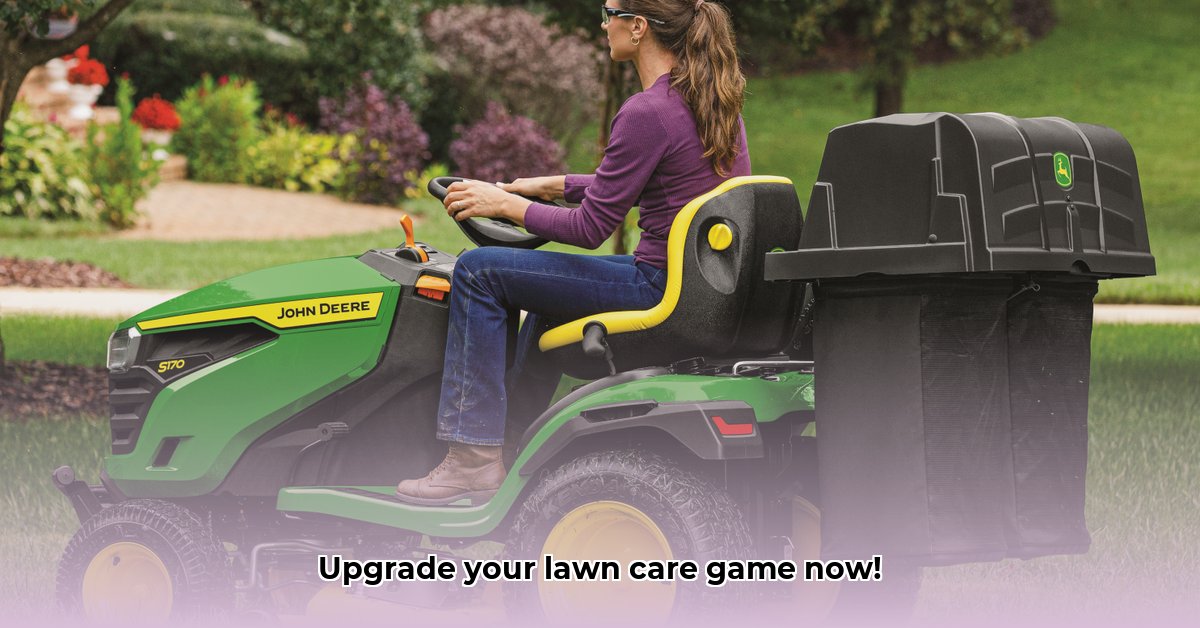
Dealing with a yard full of grass clippings after mowing is a chore. A lawn bagger simplifies cleanup significantly! This guide covers choosing and using a universal lawn tractor bagger, addressing compatibility issues and common problems. For more lawn tractor accessories, see our helpful guide here. Whether you're a seasoned landscaper or a weekend warrior, we'll equip you with the knowledge to make an informed decision and maintain your bagger efficiently.
Understanding "Universal" Lawn Tractor Baggers
"Universal" doesn't mean a perfect fit for every lawn tractor. It indicates compatibility with many models, but not all. Think of it like clothing sizes – a large might fit most, but not all. Many "universal" baggers need adapters or minor modifications to fit your specific model. Always check the manufacturer's compatibility list before purchasing. Assuming universal compatibility without verification can lead to incompatibility and extra expenses.
Choosing the Right Bagger: A Mini-Review
Selecting the right bagger depends on several factors.
Capacity: Larger capacity means fewer trips to empty the bag, saving time and effort. Consider your lawn size; a larger bag might be worthwhile for bigger yards. A 10-bushel bagger is ideal for large lawns, offering efficiency, while a small 3.25-bushel bagger suits smaller areas. (Note: Always check your lawn tractor's recommended bagger size)
Material: Most baggers are polyester or similar durable fabrics. Polyester offers superior resilience against tears and sun damage, ensuring a long lifespan. Avoid flimsy materials; they'll likely tear quickly.
Mounting System: The mounting system must be secure and compatible with your tractor. A poorly designed system can compromise safety and functionality. Look for sturdy, well-engineered mounting systems for a reliable fit.
Price vs. Value: Don't skimp on quality. A cheap bagger might seem appealing upfront but could fail prematurely, costing more in the long run. Consider longevity and features when balancing cost against quality. A high-quality bagger is a worthwhile investment.
Installation Guide: A Step-by-Step Approach
Installing a bagger is straightforward but requires caution.
Safety First: Always disconnect the spark plug before beginning any installation.
Read the Instructions: Manufacturer instructions vary; carefully review before proceeding.
Gather Tools: Necessary tools (wrenches, screwdriver) vary per model. Check your instructions.
Align and Attach: Carefully align the bagger with mounting points on your tractor. Secure it with the provided hardware. Ensure everything is correctly aligned before tightening.
Connect the Belt: Connect the drive belt, ensuring proper tension. Avoid over-tightening to prevent damage.
Test Run: Start the engine and check the bagger's function. Look for unusual sounds, vibrations, or any other issues.
Maintenance and Troubleshooting: Keeping Your Bagger in Top Shape
Regular maintenance extends your bagger's lifespan.
Empty Frequently: Empty often, especially with wet grass, to prevent overloading and potential damage.
Belt Checks: Inspect the belt for wear and tear; a worn belt leads to performance issues and potential breakage. Adjust tension as needed.
Cleaning: Regularly clean grass clippings and debris to prevent clogs.
Common Problems and Solutions:
Belt Slippage: Check for wear, looseness, or improper installation. Replacement may be necessary.
Clogging: Wet grass is a common cause. Mow only when grass is dry. Sharp, correctly adjusted blades also help reduce clogging.
Frequently Asked Questions (FAQs)
Q: My bagger doesn't fit perfectly. What should I do?
A: Verify compatibility with the manufacturer's list and instructions. Minor adjustments might be possible, but if unsure, consult a professional or the manufacturer.
Q: The belt keeps slipping. What's wrong?
A: The belt is likely worn, loose, or incorrectly installed. Check alignment and tension; replacement might be necessary.
Q: My bagger clogs easily. Why?
A: Wet grass is a frequent culprit. Mow in dry conditions. Sharpen and adjust your mower blades as needed.
By following this guide, you'll be well-equipped to choose, install, and maintain your universal lawn tractor bagger, maximizing its performance and lifespan. Remember: proactive maintenance is key!